Garden makeovers in Southwark
If you are looking for garden makeovers in Southwark, you are probably ready to turn an outdoor space that feels tired, awkward, or underused into somewhere you actually want to spend time. That may mean a compact courtyard in Bermondsey, a family garden near Peckham, a shared outdoor area in Walworth, or a paved terrace close to London Bridge that needs a fresh layout and practical planting. In a busy part of London where outdoor space is valuable, a well-planned makeover can make a noticeable difference to everyday life.
Southwark gardens come in all shapes and sizes. Some are long and narrow, some are shaded by neighbouring buildings, and some need a complete rethink after years of patchy maintenance. A local team understands the realities of working in this part of London, from access restrictions and parking considerations to the mix of property styles, including period terraces, council homes, modern apartments, commercial courtyards, and roof terraces. When the outdoor space is treated as part of the home or business rather than as an afterthought, the result is often far more usable and enjoyable.
Whether you want a simple refresh or a full garden redesign, the aim is the same: create a space that works for your routine, your property, and your budget priorities. A successful makeover is not just about making things look neat. It is about planning the right surfaces, planting, storage, seating, lighting, and maintenance level so the finished garden suits real life in Southwark.
Why garden makeovers matter in Southwark
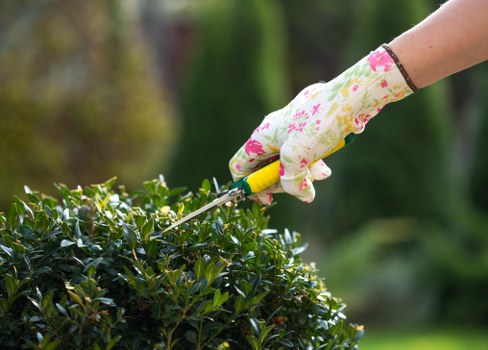
Outdoor space in Southwark is often limited, which is exactly why it should be used well. A neglected garden can feel smaller than it is, while a carefully designed layout can open the space up and make it feel brighter, tidier, and more welcoming. For homeowners, that might mean creating a safe play area, a peaceful spot to unwind, or a place for entertaining friends. For landlords and property managers, it may be about improving presentation and reducing long-term upkeep. For local businesses, a courtyard or frontage can help create a better first impression for staff and visitors.
There is also a practical side to garden transformation projects in the borough. Many Southwark properties have access challenges, narrow side passages, limited off-street parking, or shared entrances. That means the work needs to be carefully planned from the start. A local service that regularly works in the area will already be used to handling materials, waste removal, and scheduling in a way that fits around the street layout and the demands of busy neighbourhoods.
Another reason these projects matter is that gardens are used differently across the seasons. In spring and summer, outdoor areas become social spaces. In autumn and winter, they still need to look clean, manageable, and safe. A good makeover can balance style with low-maintenance practicality, so you are not left with a garden that looks lovely for a few weeks and then becomes difficult to keep under control.
What a garden makeover can include

Garden makeovers in Southwark can be tailored to almost any outdoor space, from small urban gardens to larger family plots and communal areas. The exact service will depend on what your garden needs most, but most projects combine several improvements to create a finished result rather than a piecemeal one. The aim is to transform the area in a way that feels coherent, useful, and suited to the property.
Common elements of a makeover may include clearing overgrown areas, removing old features, reshaping beds, improving turf or lawn areas, replacing tired paving, installing new planters, and adding decorative or practical finishing touches. In many cases, the best outcomes come from considering both hard landscaping and planting together. That way, the structure of the space and the softness of the planting work in harmony.
Depending on the condition of the garden, the work may also involve tree and hedge trimming, soil improvement, raised beds, seating areas, gravel zones, edging, or simple screening to improve privacy. Every garden is different, so a local team should be able to discuss what is realistic for your space and how to make the biggest visual and functional impact without unnecessary work.
Popular makeover options for local properties
- Reorganising small gardens to create clearer walkways and usable zones
- Replacing worn-out lawn areas with low-maintenance alternatives
- Refreshing planting for year-round colour and structure
- Updating paving, stepping stones, and edging
- Reducing clutter and improving storage solutions
- Improving drainage and surface conditions where needed
- Adding privacy features for overlooked gardens and terraces
- Making communal outdoor areas easier to maintain
Garden makeovers for homes, landlords, and businesses

One of the strengths of a local garden makeover service is flexibility. Southwark has a mix of residential and commercial properties, and the needs of each customer can be very different. A family home may need a child-friendly layout with space for bikes, toys, and planting that can cope with regular use. A rental property may need a robust, attractive finish that looks good with minimal ongoing maintenance. A restaurant, office, or retail premises may need outdoor space that improves kerb appeal and offers a neat, welcoming environment for staff and visitors.
For residential customers, the focus is often on comfort, storage, privacy, and day-to-day enjoyment. People want gardens that feel like an extension of the living space, especially in flats and terraced houses where every square metre counts. In Southwark, that might mean turning a long narrow strip into a clean, structured garden with seating, raised beds, and planting that softens hard surfaces.
For commercial customers, appearance and practicality go hand in hand. Outdoor spaces need to look smart without creating extra work for teams that already have enough to manage. A considered makeover can reduce messy corners, improve flow, and make the area look cared for throughout the year. That is especially useful where the garden or courtyard is part of the customer experience or staff wellbeing.
Examples of customer-focused improvements
Homes: child-friendly lawn areas, quiet seating spots, planting for shade or privacy, better access paths, and garden storage integration.
Landlords: neat low-maintenance finishes, durable materials, and clear layouts that help properties present well between tenancies.
Businesses: tidy frontages, usable courtyards, seasonal planting, and simple maintenance plans that keep the space looking professional.
Why local knowledge matters in Southwark
Choosing a local team for Southwark garden makeovers brings practical advantages that are easy to underestimate. Local experience means understanding the kinds of properties in the borough, the pressures of busy streets, and the challenges that can affect scheduling, deliveries, and waste removal. It also means being familiar with how different garden conditions behave in urban settings, such as shaded plots, windy roof spaces, compact courtyards, and gardens overlooked by nearby buildings.
Southwark includes neighbourhoods with very different character, from the historic feel around Borough and Bankside to residential pockets in Camberwell, Peckham, East Dulwich, Nunhead, Walworth, Bermondsey, and Rotherhithe. A team that regularly works across these areas is better placed to suggest realistic materials and planting styles that suit the space, the property type, and the surrounding environment. In a borough where access can be tight, local familiarity can also help the work run more smoothly.
There is also a customer service benefit. When you want to book a makeover, request a quote, or arrange an on-site assessment, it helps to deal with people who understand the local area and can provide practical advice based on the actual conditions they are likely to encounter. That is especially helpful if your project involves awkward access, shared stairways, enclosed rear gardens, or the need to coordinate around residents or business hours.
How the garden makeover process usually works

A successful garden transformation starts with understanding what is already there and what you want the space to achieve. The first step is usually a discussion about the current condition of the garden, what you dislike about it, and how you would like to use it once the work is complete. This helps shape the scope of the project and ensures the plan is focused on your priorities rather than on unnecessary extras.
After the initial discussion, a local team may assess access, layout, soil condition, existing hard landscaping, planting, and any problem areas such as poor drainage, overgrowth, broken paving, or awkward slopes. This stage is important because a garden makeover is often more successful when small issues are addressed before the decorative elements go in. It is much easier to build a finish that lasts when the underlying structure has been thought through.
Once the plan is agreed, the work can begin in a logical order: clearing, preparation, installation, planting, and finishing touches. For some projects, the work may be completed in a short timeframe; for larger or more complex makeovers, it may be phased to minimise disruption. Either way, clear communication and tidy working practices matter, especially in residential streets where space is limited and neighbours are close by.
Typical stages in a makeover project
- Initial discussion about your goals and the current garden condition
- Site assessment and practical planning
- Clearing, pruning, and removal of unwanted materials
- Ground preparation, repairs, or levelling if needed
- Hard landscaping, planting, and feature installation
- Final tidy-up and advice on aftercare
What to think about before booking

If you are planning a garden makeover in Southwark, a little preparation can help the process go more smoothly and make it easier to achieve the result you want. You do not need to have every detail decided, but it helps to think about how you want to use the space and what is currently causing the most frustration. For some people, the biggest issue is overgrowth. For others, it is a lack of privacy, poor drainage, or a layout that simply does not work.
It can also be useful to consider how much maintenance you are prepared to take on after the makeover. Some customers want a lush, planted garden and are happy to do regular upkeep. Others want a smarter, simpler design that stays neat with minimal effort. There is no single right answer. The most effective garden redesign is one that fits your lifestyle, not just your taste.
If your property is in a shared block, on a narrow street, or has restricted access, it is worth mentioning that early. This helps with planning and may affect how materials are brought in, how waste is taken away, and how the job is scheduled. For commercial sites, it can also be useful to decide whether the work needs to happen outside operating hours or in phases to reduce disruption.
Preparation checklist for customers
- Decide how you want to use the garden day to day
- Identify any features you want removed, kept, or improved
- Think about privacy, shade, storage, and safety needs
- Note any access issues, parking limitations, or shared entry points
- Consider whether you want low-maintenance or more decorative planting
- Share any concerns about pets, children, or business operations
- Be ready to discuss timescales and whether the work needs to be phased
Pricing factors for garden makeovers
Every garden makeover is different, so the cost will depend on the size of the space, the amount of work involved, and the materials chosen. It would not be helpful to treat all gardens as if they require the same level of effort. A simple refresh of a small courtyard will not be the same as a full redesign with hard landscaping, planting, and clearance of overgrown areas. Likewise, a garden with drainage problems or difficult access may require more preparation than a straightforward open plot.
Some of the main pricing factors include the amount of clearance needed, whether existing paving or turf must be removed, the condition of the soil, the complexity of the design, the type of surfaces or materials you choose, and the volume of waste that needs to be taken away. Access can also play a major role in Southwark, especially where materials need to be carried through narrow side passages, shared entrances, or upper-level outdoor areas.
The best way to approach budgeting is to focus on priorities. If the budget is tight, a team can often suggest a staged approach that tackles the most important improvements first. That might mean starting with clearance and structure, then adding planting or finishing details later. Requesting a free quote is a sensible first step because it gives you a clearer idea of what is achievable within your budget range without making assumptions.
Factors that may affect the quote
- Garden size and layout
- Amount of clearance and disposal required
- Condition of existing features
- Choice of paving, timber, gravel, turf, or other materials
- Planting complexity and preparation needs
- Access for tools, materials, and waste removal
- Whether the project includes design, build, and planting together
Why choose a local company for Southwark garden makeovers
There are practical reasons why people prefer a local company for outdoor transformation work. First, local teams are usually better placed to respond quickly, assess the job efficiently, and provide advice that reflects real conditions in the borough. They are also more likely to understand how to work around limited parking, neighbours, shared spaces, and property layouts that are common in central and inner London areas.
Second, local experience can make the finished result better. A garden that suits a house in East Dulwich may not be the same as one that works for a flat near Elephant and Castle or a business property in Bermondsey. The right approach takes the surroundings into account, including light levels, privacy, exposure, and the amount of ongoing maintenance the customer wants to handle.
Third, a local team can often be more flexible with scheduling and site visits. That matters when you need a project to fit around family routines, tenancy changes, or business operations. When the service is delivered by people who already know the area, it can feel more straightforward from the first conversation to the final tidy-up. That kind of local understanding is often what turns a good idea into a garden you genuinely use.
Areas covered across Southwark
Garden makeover services can usually be arranged across a wide part of the borough, including many neighbourhoods where outdoor space is varied and access conditions differ from street to street. Customers commonly enquire from areas such as Bermondsey, Peckham, Walworth, Camberwell, Rotherhithe, Nunhead, East Dulwich, Borough, Bankside, and parts of London Bridge and Elephant and Castle.
That said, the exact approach depends less on postcodes and more on the actual garden. A compact terrace behind a period house may need careful zoning and smart planting. A communal block courtyard may need durable surfaces and low-maintenance beds. A commercial outdoor area may need tidy, modern presentation and a layout that is easy to keep looking fresh. The benefit of working with a team used to Southwark is that they can adapt to these differences without making the process feel complicated.
If you are not sure whether your garden falls within the usual service area or whether the layout of your property will create extra challenges, it is worth making an enquiry. A clear discussion at the start can save time later and help decide whether the project can be completed as one visit or should be planned as a larger makeover over several stages.
Common Southwark property types for makeover work
- Terraced houses with narrow rear gardens
- Flats with small courtyards or terraces
- Shared communal gardens and block spaces
- Townhouses with formal front and back gardens
- Commercial courtyards, entrances, and external seating areas
Practical benefits of a well-planned makeover
A thoughtfully completed garden makeover does more than improve appearance. It can also make the space easier to use, simpler to maintain, and more enjoyable throughout the year. In Southwark, where many people value outdoor areas but have limited time to care for them, that practicality matters. A neat, well-structured garden can reduce stress rather than add to it.
For families, a better layout can improve safety and create space for play, dining, and relaxation. For older residents or people with mobility concerns, clear paths and sensible surface choices can make the garden easier to move through. For landlords and property professionals, better presentation can support the overall impression of the property. For businesses, a clean and welcoming outdoor area can contribute to a more polished image.
There is also the simple pleasure of having a garden that feels like part of the home again. Many people in Southwark inherit outdoor areas that have become cluttered, overgrown, or unfinished over time. A makeover can restore that space, making it somewhere you want to open the door to, rather than avoid. That is often the most important result of all.
Frequently asked questions
How long does a garden makeover take?
That depends on the size of the garden and the amount of work involved. A small refresh can be relatively quick, while a full redesign with clearance, repairs, planting, and new features will take longer. A local team should be able to discuss likely timescales after assessing the space.
Can a small garden really be transformed?
Yes. Small gardens often benefit the most from careful planning because every part of the space needs to earn its place. Better layout, clever planting, and the right surfaces can make a compact Southwark garden feel more open and usable.
Do I need to know exactly what I want before I enquire?
No. It helps to have an idea of what you dislike and how you would like to use the garden, but you do not need a final design in mind. A good service can talk you through the options and help you decide what will work best.
What if my garden has difficult access?
That is common in Southwark. Narrow side access, shared entryways, upper-level terraces, and limited parking can all affect the job. Mentioning access issues early helps the team plan properly and avoid delays.
Can the makeover be low maintenance?
Absolutely. Many customers want a neat, durable finish that does not require constant attention. The choice of materials, planting, and layout can all be adapted to keep upkeep manageable.
Do you work for both homes and businesses?
Yes, garden makeover services can be suitable for residential gardens, rented properties, communal spaces, and commercial outdoor areas. The design and finish should always reflect the way the space will actually be used.
What should I do first?
Start by thinking about the problems you want solved and the outcome you would like to see. Then contact us today or request a free quote to discuss the options for your Southwark garden.
Ready to improve your outdoor space?
If your garden is not giving you the space, style, or practicality you need, now is a good time to make a change. Garden makeovers in Southwark are often the fastest way to turn an overlooked outdoor area into a place that feels organised, attractive, and genuinely useful. Whether the work needed is a modest refresh or a more ambitious redesign, the key is to start with a clear plan and a team that understands local properties and conditions.
From compact courtyards and family gardens to shared spaces and commercial exteriors, a well-planned makeover can bring order, character, and everyday function back to the space. If you are ready to improve the way your garden looks and works, book your service now or request a free quote and take the first step toward a better outdoor area in Southwark.