Garden design and build in Southwark
If you are looking for garden design and build in Southwark, you are probably after more than a simple tidy-up. You may want a space that works harder for family life, entertaining, relaxing after work, or supporting a business frontage that feels well cared for. In Southwark, outdoor space is often limited, overlooked, or awkwardly shaped, which is exactly why a tailored approach matters. The right design can turn a compact courtyard, narrow terrace, rooftop edge, or shared courtyard into a practical and attractive extension of your home or commercial premises.
Southwark has a wide mix of properties, from period terraces and mansion blocks to modern apartments, townhouses, schools, cafés, offices, and mixed-use developments. That variety means no two projects are the same. A good local team understands the realities of access, neighbouring properties, basement light levels, paving levels, drainage, storage, and materials that suit city living. Whether you need a full garden transformation or a staged build plan, the aim is always the same: create an outdoor space that looks good, lasts well, and feels right for how you live or work.
Our approach to garden design and build in Southwark combines practical planning with creative ideas. We can help you shape the layout, select suitable planting, improve surfaces and boundaries, and build features that make the best possible use of your space. From first concepts to the final finish, the focus stays on your priorities, your property, and the day-to-day realities of Southwark living.
Why Southwark gardens need a different approach

Outdoor spaces in Southwark often face a set of challenges that are less common in suburban settings. Back gardens may be compact and enclosed, front spaces may need to balance privacy and presentation, and shared access can affect how materials are brought in and waste is removed. In densely built streets, light conditions can change quickly depending on surrounding buildings, so planting choices and surface materials need to be selected with care.
Many Southwark homeowners want an outdoor area that feels private without becoming dark or cramped. That might mean using layered planting, slimline screening, reflective hard landscaping, and thoughtful zoning. A well-planned design can also make a small garden feel larger by improving circulation, choosing the right proportion of paving, and using focal points to draw the eye through the space.
Commercial customers in Southwark often need something different again. A café may want a welcoming frontage, an office might need a calm break-out area, and a school or nursery could require a robust outdoor environment that is safe, easy to maintain, and visually pleasant. Local knowledge matters because the best solution depends on how the space will be used, how often it will be maintained, and what kind of wear and tear it will face.
Garden design and build services tailored to your space
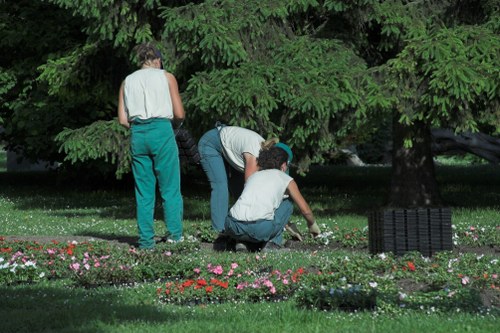
Every project starts with understanding the site. Some customers come to us with a clear brief, while others know only that their current garden is not working. Either way, the design stage helps turn ideas into a realistic plan. This may include layout sketches, material choices, planting direction, feature placement, and practical considerations such as access, storage, and maintenance.
Garden design and build in Southwark can include a full transformation or smaller improvements that still have a big effect. Many customers choose to phase the work, especially where budgets need to be spread or where access is limited. Others prefer a single coordinated project so that the garden is completed in one clear schedule. The most suitable path depends on the size of the space, the condition of the existing garden, and the level of change you want.
Typical elements within a garden design and build project can include planting schemes, new paving, turf or artificial lawn installation, timber or composite decking, raised beds, boundary screening, pergolas, storage solutions, lighting layout, and space planning for seating or dining. The goal is to create a garden that feels intentional rather than pieced together.
What can be included
- Initial site assessment and discussion of your goals
- Concept ideas for layout, style, and function
- Hard landscaping such as paving, patios, decking, or paths
- Soft landscaping including planting, soil improvement, and lawn work
- Screening, fencing, and boundary features for privacy
- Built features like raised planters, steps, seating, or edging
- Lighting considerations for atmosphere and usability
- Advice on maintenance, seasonal interest, and long-term care
How the process works from first enquiry to final build

A well-run project keeps things simple for the customer. The first step is usually an initial conversation to understand what you want to achieve, what is currently not working, and whether there are any constraints such as access, existing structures, or shared boundaries. In Southwark, these details matter because many properties sit close together and can present practical challenges that should be planned for in advance.
After the site has been reviewed, the design stage can begin. This may involve shaping a style direction, identifying key zones, and deciding how the garden should function through the seasons. A small urban courtyard, for example, might need a balance of hard surfaces and greenery, while a larger family garden may need play space, seating, storage, and planting areas all working together.
Once the design is agreed, the build phase can be organised logically. This often involves preparing the site, removing unwanted features, improving levels and drainage, installing new structures or surfaces, and then finishing with planting and detailing. A good build sequence reduces disruption and helps ensure the final result looks coherent. Contact us today if you want to discuss a garden that is planned and built with care from start to finish.
Typical stages of work
- Site visit and project discussion
- Design ideas and layout development
- Material and planting selections
- Preparation and removal of existing features
- Construction of hard landscaping elements
- Planting, edging, and finishing touches
- Final review and practical advice for upkeep
Design choices that suit Southwark homes and businesses

Choosing the right garden style is about more than taste alone. In Southwark, style also needs to fit the property, the light, the surrounding architecture, and how much maintenance you want to take on. A minimalist contemporary space may suit a modern apartment courtyard, while a more naturalistic planting scheme could complement a period home or a family garden with softer edges.
For many customers, practical beauty is the priority. That means selecting materials and planting that age well, work in local conditions, and do not become high-maintenance burdens. In a city environment, durable surfaces, good drainage, and well-structured planting can make all the difference. If the space is mostly shaded, the planting plan should embrace that rather than fight it. If the garden is south-facing and gets long hours of sun, heat-tolerant choices are often better.
Commercial properties can also benefit from a smart and durable design. A hospitality venue may need an inviting external area that feels polished and easy to keep tidy. An office courtyard might need a calming environment for staff breaks. A school or community facility may need robust surfaces, safe edges, and planting that can withstand frequent use. In every case, the design should support the purpose of the space.
Popular features for local properties
- Compact seating areas that do not overcrowd the plot
- Vertical planting and wall features to save space
- Slatted screening for privacy without blocking all light
- Raised beds to create structure and easier planting access
- Lighting for evening use and added atmosphere
- Low-maintenance surfaces for busy households and businesses
Materials and planting that work well in Southwark

Material selection is one of the most important parts of any garden design and build in Southwark project. Paving, decking, gravel, edging, fencing, and built features all need to be chosen not just for appearance, but for durability and practicality. In an urban setting, surfaces should be able to cope with regular use, occasional heavy rain, and the demands of delivery access or construction logistics.
Planting should be chosen with the site conditions in mind. Many Southwark gardens are affected by shade from nearby buildings, reflected heat from surrounding surfaces, or soil conditions that vary from one part of the garden to another. The right planting plan can bring texture, structure, scent, and seasonal interest without creating too much maintenance work. Where privacy is important, evergreen planting can play a valuable role.
Hardy, well-selected plants tend to perform better in London conditions and can be arranged to give year-round structure. That might include a mix of small trees, shrubs, perennials, ornamental grasses, climbers, and ground cover. When planted with good spacing and soil preparation, these choices can create a more natural, settled look over time while still feeling manageable for the owner or site manager.
Things to think about when selecting materials
- Slip resistance and ease of cleaning
- Compatibility with the property style
- Resistance to weather and repeated use
- How the material will age over time
- Maintenance level and long-term upkeep
- How easily materials can be brought into the site
Practical issues local customers often need help with
One reason many people choose a local team for garden design and build in Southwark is that the work often involves more than just design ideas. It also requires knowing how to manage practical issues smoothly. In many streets, parking may be limited, loading access can be tight, and neighbouring properties may be close enough that noise, dust, and timing all need to be considered carefully.
Some gardens are reached through the house, some via shared passages, and others through rear access points that need careful protection during the work. There may be narrow doorways, basement stairs, or roof access restrictions that affect what can be brought in and how quickly work can progress. A local approach helps because the team is used to planning around these realities instead of treating them as surprises.
Drainage and levels are another common concern. A garden that slopes awkwardly, holds water after heavy rain, or sits below the level of the internal floor can create long-term problems if not addressed properly. Good planning allows these issues to be solved as part of the build, rather than as a patch-up later on. That is one of the clearest reasons customers value a design-and-build service: the work is coordinated, not fragmented.
Common local challenges
- Narrow access for tools and materials
- Shared entrances or communal areas
- Close neighbours and limited working space
- Shade from nearby buildings
- Uneven ground or poor drainage
- Small plots that need careful zoning
Why choose a local company for garden design and build in Southwark
There are real advantages to choosing a local company for a garden project. A team that works regularly in Southwark will understand the mix of homes, streets, and commercial settings across the borough. They are more likely to be familiar with the access issues, property styles, and material choices that suit local conditions. That means less guesswork and more practical planning.
Local customers often want a service that feels responsive and straightforward. They may be managing a busy household, overseeing a business property, or working around building works already taking place nearby. A local team is better placed to coordinate with the realities of the area and to design something that can be delivered efficiently without unnecessary disruption. If you want a space that looks considered and functions properly, local experience is a genuine advantage.
Southwark also has a distinctive character. From riverside apartments and converted industrial spaces to traditional terraces and busy commercial streets, the borough includes many different property types within a relatively compact area. The best garden designs respect that character while still making the outdoor space easier to use. Whether you live near Borough, Bermondsey, Camberwell, Peckham, Elephant and Castle, Walworth, Dulwich, or around London Bridge, the approach should be tailored to the property rather than copied from a standard template.
Benefits of working locally
- Better understanding of property layouts and access constraints
- More suitable material and planting recommendations
- Designs that reflect local architecture and space limitations
- Smoother planning for deliveries, storage, and waste removal
- Practical knowledge of what works well in urban gardens
What we focus on during the build
When a garden moves from design into construction, the quality of the build matters just as much as the idea behind it. Good workmanship supports the appearance, durability, and day-to-day usefulness of the finished space. That means proper preparation, careful setting-out, attention to levels, and neat finishing details that make the result feel complete.
During a typical garden build, attention may be given to foundations for paving or structures, reliable edging, clean joins between materials, and sound preparation for planting areas. If there is a need for drainage improvements, these should be incorporated early. If a seating area or raised feature is part of the plan, it should be built to sit naturally within the rest of the garden rather than looking added on later.
Customers often appreciate when the work is coordinated so that the site feels under control throughout the project. This matters in Southwark, where outdoor space is often visible to neighbours or passers-by and where keeping disruption organised is especially important. A considered build process can help reduce stress and keep the project moving in the right order.
Quality points customers should expect
- Clear preparation before construction begins
- Accurate setting-out of paths, patios, and planting beds
- Level and stable installation of hard landscaping
- Thoughtful integration of seating and storage features
- Clean detailing around edges, joints, and transitions
- Planting finished to support healthy establishment
Preparing for your project
There are a few simple steps customers can take before the work starts to help the process go smoothly. If you are considering garden design and build in Southwark, it helps to think about how you use the space now, what frustrates you about it, and what you would most like to change. Even if your ideas are broad, those priorities help shape the brief.
You do not need to know every material or plant type before asking for a quote. It is enough to share photos, measurements if you have them, and a sense of your preferred style or function. Some customers want a neat, low-maintenance space. Others want a family-friendly garden with room for play, dining, and planting. Others are focused on a more formal look for a business frontage or a communal outdoor area.
The more clearly the project is understood at the beginning, the easier it is to make practical decisions later. It can also help to think about access arrangements, whether there are pets or children to plan around, and whether any existing items need to be kept, reused, or removed. Request a free quote when you are ready to take the next step.
Preparation checklist
- Walk through the garden and note what is and is not working
- Collect a few photos of spaces you like
- Decide what matters most: privacy, seating, planting, play, or easy upkeep
- Check access points and any shared boundaries
- Think about how much maintenance you want to do yourself
- List anything that must stay in place
Pricing factors and what affects the quote
Customers often want to know what affects the cost of garden work, and it is sensible to ask early. While exact prices depend on the project, there are several common factors that shape the quote. The size of the garden is one obvious factor, but it is not the only one. Access, ground conditions, material choices, and the amount of demolition or preparation involved can all influence the overall scope.
In Southwark, compact spaces can still involve a surprising amount of labour because access is tight and materials may need to be moved carefully. A small garden with difficult access may take more planning than a larger one with straightforward entry. Features such as lighting, custom planters, retaining elements, or specialist finishes can also affect the level of work involved.
Being clear about your priorities helps ensure the quote reflects the actual job rather than a generic allowance. If you want to phase the project, that can often be planned too. For example, you might start with hard landscaping and drainage, then add planting and finishing touches later. A sensible breakdown can make the job more manageable while still keeping the final vision in mind.
Pricing influences to consider
- Garden size and overall complexity
- Condition of the existing site
- Access for materials and waste removal
- Choice of paving, decking, timber, or composite products
- Extent of planting and soil improvement required
- Extra features such as seating, screens, or lighting
Areas covered across Southwark
Garden projects can be carried out across the borough, supporting both residential and commercial customers in a wide range of settings. Southwark includes busy central districts, residential neighbourhoods, riverside developments, and mixed-use streets where outdoor spaces vary dramatically in size and condition.
We regularly consider projects in areas such as Bermondsey, Borough, Camberwell, Peckham, Walworth, Elephant and Castle, Dulwich, Rotherhithe, Kennington, and nearby parts of the wider South London area. The exact approach always depends on the site, but the local understanding remains useful wherever the garden is located.
Whether the work is for a private home, a shared residential outdoor area, a café terrace, or a workplace courtyard, the same principle applies: the best outcome comes from matching the design to the real use of the space. If you are comparing options for garden design and build in Southwark, think about who will use the garden, how much maintenance you can realistically commit to, and how the space should feel throughout the year.
Frequently asked questions
Can a small Southwark garden still be transformed?
Yes. Small gardens often benefit the most from thoughtful planning because every square metre matters. With the right layout, a compact outdoor space can feel more open, functional, and attractive.
Do I need a full redesign if I only want part of the garden changed?
No. Some customers want a full transformation, while others only need a new patio, better planting, improved screening, or a more practical layout. Partial works can still make a big difference.
What if my garden has poor light or awkward levels?
These are common issues in Southwark and can usually be addressed through design. Plant selection, surface choices, and level adjustments can all help make the space more usable and balanced.
Can you help with both homes and business premises?
Yes. Residential and commercial outdoor spaces each have different needs, and the design should reflect that. A home garden may prioritise relaxation and family use, while a business may need durability, presentation, and ease of maintenance.
How long does a project take?
The timeline depends on the size and complexity of the work, as well as access and weather conditions. Smaller projects can move quickly, while larger or more detailed builds may need more time for preparation and finishing.
What if I am not sure what style I want?
That is very common. A good design process can help you narrow down options based on how you want to use the space, how much upkeep you want, and what suits the property.
Ready to improve your outdoor space?
If your garden is underused, difficult to maintain, or simply not reflecting the property as well as it could, now is a good time to explore your options. A well-planned project can improve comfort, appearance, and usability in ways that make everyday life easier. That is true whether you want a calm retreat, a family-friendly layout, or a more polished space for customers or staff.
With garden design and build in Southwark, the benefit of working with a local team is simple: the project is shaped around the realities of your property and your area. From access and materials to planting and finish, the details are considered together rather than separately. That usually leads to a better result and a smoother experience.
Contact us today to discuss your plans, ask about the possibilities for your site, or book your service now if you are ready to move forward. Whether you need a fresh concept, a full build, or advice on the best next step, we are here to help make the process practical, clear, and tailored to your space.